Best Practices for Stage Rigging Maintenance
Lights go down, curtains rise, and the show begins. Unless your rigging isn’t in good working order. On top of making it difficult to move scenery, lighting, stage curtains, and sound equipment, unmaintained rigging poses real safety risks for stagehands, performers, and the audience. And we haven’t even mentioned the costs of repairs and replacements. All of this makes regular upkeep a must, which is why the Thern Stage Equipment crew has put together a quick guide for smart stage rigging maintenance.
Why Proactive Rigging Maintenance Matters for Every Venue
Whether you have a complex automated electric system or straightforward counterweight rigging, staying on top of maintenance schedules is key for keeping systems operating safely and smoothly. Skipping regular maintenance can lead to equipment damage or failure, especially if neglected for long stretches of time.
Keeping to a regular maintenance schedule can help extend the lifespan of your rigging equipment while also maintaining compliance with critical standards. For instance, OSHA has guidelines that require inspection and establish clear liability for theaters if people are injured by poorly maintained rigging equipment. There are also specific ESTA and ANSI E1.47 standards for the upkeep of both manual and electric entertainment rigging systems, as well as local codes and regulations that could have more detailed requirements for venues.
Theater Rigging Safety Checks: Daily, Weekly, and Monthly Protocols
The timing of rigging inspections really depends on the amount and type of use your equipment gets. For instance, if you have a hybrid system that only uses the electric portion of the system occasionally, those components can be checked on a weekly or monthly basis. Equipment that is used on a more frequent basis should be carefully inspected daily to ensure consistent wear is not causing issues. Some things to keep an eye out for during inspections include:
- Arbors — out of alignment weights, damaged frames, and corrosion
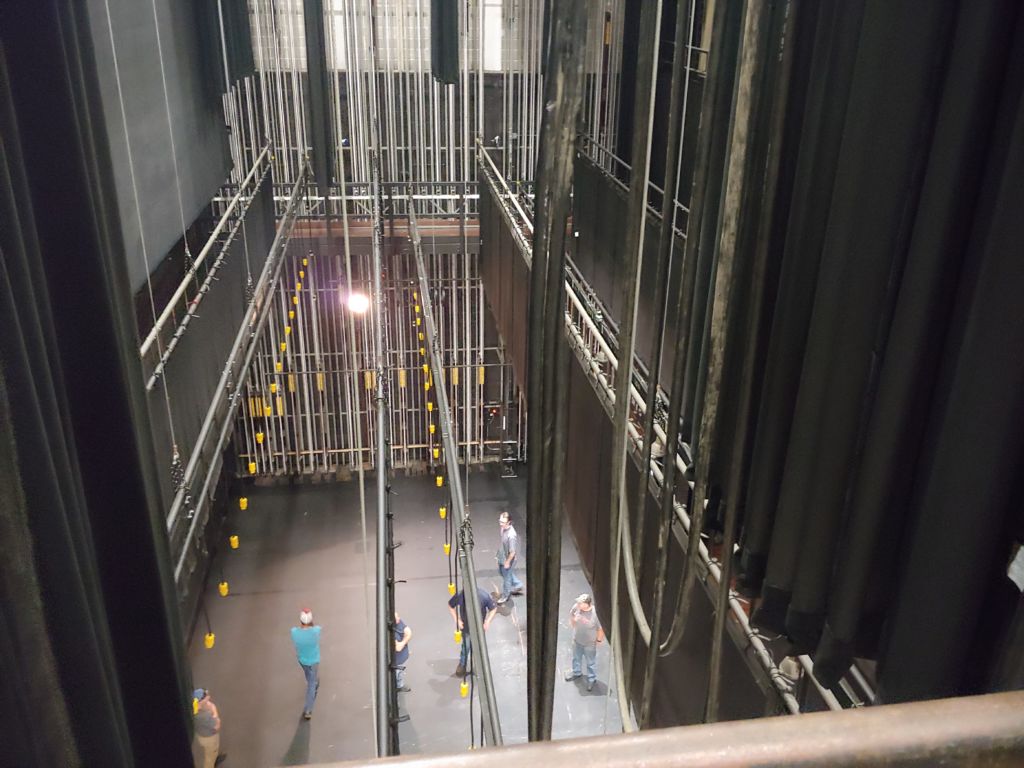
- Battens — rusted or corroded installation points, bends, cracks, or other warps in batten pipes
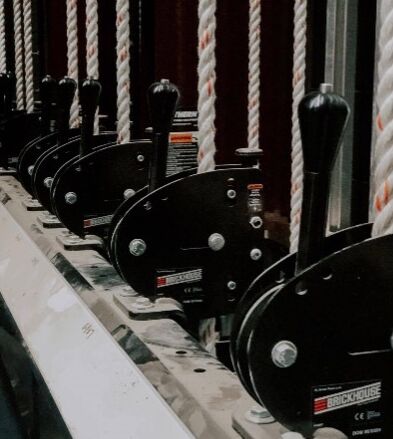
- Blocks — worn out grooves and ball bearings that affect cable and rope function
- Cables and ropes — frays or unwinding in synthetic or natural materials; metal cables should additionally be checked for signs of rust or corrosion
- Powered winches and hoists — lubrication or oil leaks, improper operation or control response, unusual sounds that could indicate issues with internal components
- Fleet angles — lift lines that enter blocks at too much of an angle can create wear on both the wire rope and the grooves of the block sheave, while also increasing friction in the overall lineset
Building a Preventive Maintenance Schedule That Actually Gets Followed
A thoughtful, thorough maintenance schedule is useless if no one is paying attention to it. One of the best ways to make sure that maintenance is happening as often as needed is to develop a routine of keeping detailed documentation of every inspection. Not only will this help establish patterns of the upkeep different components need at specific times (and if there might be issues that are reducing time between maintenance needs), but this documentation is vital for regulatory compliance and investigation in the event there is an unforeseen equipment failure.
Splitting planned maintenance between seasonal and production lists can be helpful for prioritization. Some tasks, like inspecting and maintaining less-used equipment, could be added to a range of tasks that can be done at the start of each new season. Other tasks can be included in pre-production safety and maintenance checks to ensure that equipment that gets used more often is safe and operating at its best before each performance.
Extending Equipment Life: Tips to Get More Years From Your Investment
While safety will always be the most important factor, avoiding unnecessary repair or replacement costs is a huge benefit of regular maintenance. Some preventative and ongoing maintenance tasks that can lengthen the life of your stage equipment include:
- Perform regular load tests and adhere to load ratings for arbors, hoists, battens, and other weight-bearing equipment
- Lubricate and clean the system based on the manufacturer’s instructions
- Provide staff with regular training on the methods and importance of regular maintenance
- Bring in professionals for regular, more detailed inspections
Additionally, it is important to ensure that your equipment is properly stored and protected during off-season periods or during venue rentals. Never leave critical equipment easily accessible to anyone who has not been trained in proper operation and maintenance.
When to Call a Professional: Signs Your Theater Rigging Needs Expert Attention
There are some safety and performance issues that go beyond maintenance and will need to be checked by a professional. Red flags like unusual sounds during operation, imprecise drift in automated motorized systems, visible corrosion on metal components, and frequent premature wear can and should be further inspected by a qualified expert who can recommend repairs or replacement options. A number of Thern Stage Equipment dealers can provide these professional inspections, so feel free to reach out to us for recommendations. Looking for a rigging upgrade? Thern can also provide custom rigging solutions that are designed to meet the exact requirements of your venue.